
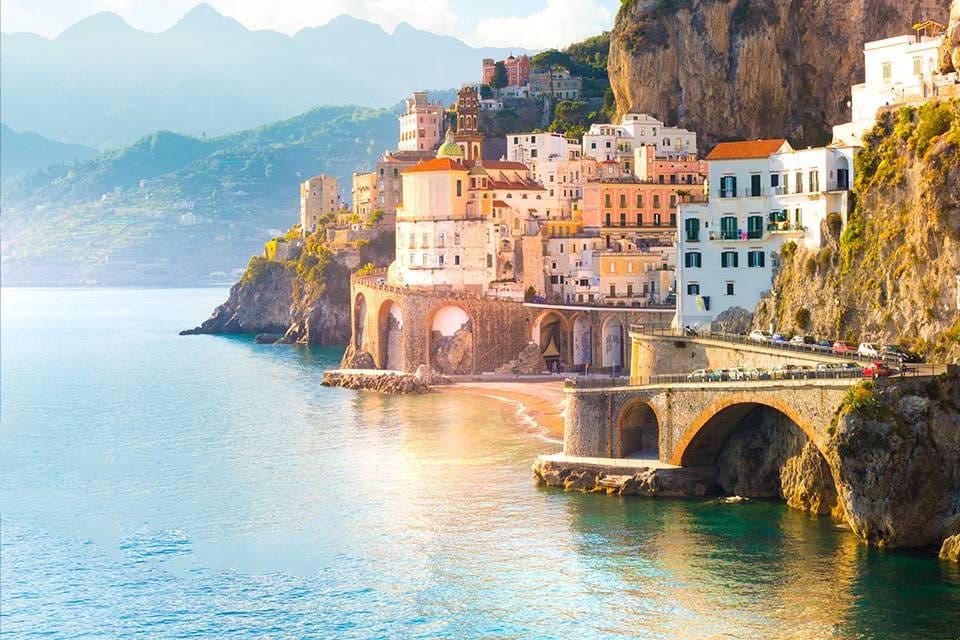
Everyone has seen the photographs. The limestone walls of Dubrovnik reflected in impossibly blue water. Hvar’s lavender fields on the hillside above the harbour. The archipelago of islands stretching north from Split so densely packed that you could almost step between them. Croatia is visually one of the most compelling sailing destinations in the world, and that beauty is completely real. What the photographs do not quite capture is that the best of it – the quieter bays, the family-run konobas accessible only by dinghy, the islands where the ferry arrives once a week – is almost entirely reserved for those who arrive by boat.
Yacht charter Croatia is not simply a way of getting around. It is a completely different relationship with the Dalmatian coastline.
What Croatia’s Sailing Geography Actually Looks Like
Croatia has over 1,200 islands, islets, and reefs along its Adriatic coast, and more than 1,800 kilometers of coastline when you trace every inlet. The practical result of this geography is that Croatian sailing offers something genuinely rare in the Mediterranean: island density. Most Dalmatian islands are within 30 to 90 minutes of each other under normal conditions, which means a single day’s sailing can include a morning departure, a coffee stop at a small island village, a swim in a national park bay, and an evening mooring in a completely different harbour town.
This density is a defining advantage over Greece or Turkey, where open sea crossings between destinations can take half a day or more.
Viravira.co lists over 1,900 verified boats in Croatia starting from 74 dollars per day, with popular departure bases including Split (from 113 dollars per day), Sukosan near Zadar (from 74 dollars per day), Dubrovnik (from 172 dollars per day), and Zadar (from 187 dollars per day).
The Character of Each Major Sailing Region
Northern Dalmatia (Zadar area): This is Croatia’s least-visited sailing region and possibly its most interesting for those who want genuine discovery. The Kornati National Park, a dense labyrinth of 140 islands protected from development, lies just offshore. The Zadar archipelago between the mainland and the Kornati contains dozens of smaller islands that receive almost no visitors even in peak summer.
Central Dalmatia (Split area): This is where most Croatian sailing activity is concentrated, and it earns that position. Split itself is a remarkable city – Roman emperor Diocletian’s retirement palace has been continuously occupied for seventeen centuries and its walls now contain apartments, bars, and restaurants. The islands of Brac, Hvar, Vis, Solta, and Korcula are all within easy reach.
Southern Dalmatia (Dubrovnik area): The Elaphiti Islands immediately north of Dubrovnik, the wine island of Korcula, Mljet National Park with its extraordinary saltwater lakes, and the distant island of Lastovo make this the most historically and naturally dramatic sailing region in Croatia.
The National Parks Change Everything
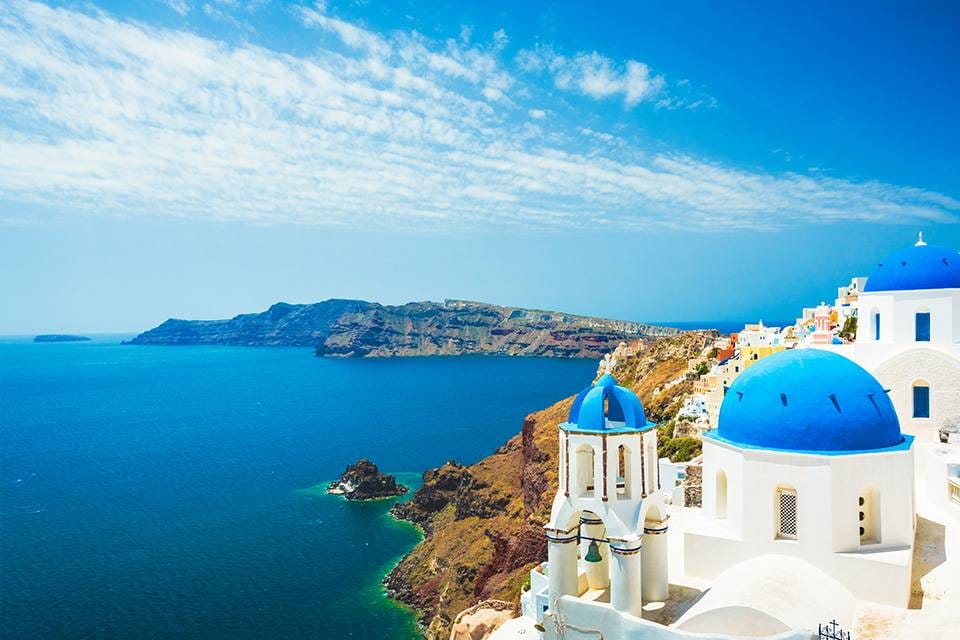
Croatia has multiple national parks that are genuinely accessible by charter boat, and this is one of the most compelling aspects of boat rental Croatia compared to other Mediterranean destinations.
The Kornati National Park requires an entry permit but rewards you with the most dramatic island scenery in Croatia. Mljet National Park’s saltwater lakes – connected to the sea and accessible by swimming or kayak – are unlike anything else in the Mediterranean. Krka National Park, with its famous stepped waterfalls, can be reached by tender from an anchorage near Sibenik.
These experiences are simply not available to land-based visitors in the same way, and they represent some of Croatia’s finest natural assets.
Conclusion
Yacht charter Croatia delivers the Dalmatian experience at its fullest and most honest. The islands that appear unreachable from the ferry schedule are yours for the asking. The bays that look beautiful from Google Maps and deliver even better in reality are found by arriving by sea. The national parks that charge admission for good reason become natural highlights of a sailing week rather than day-trip afterthoughts. Croatia has built one of Europe’s finest sailing infrastructure systems around one of its finest coastlines. Taking advantage of both at the same time is exactly what a charter holiday is for.
